
The Future of Music Business Starts in the Classroom

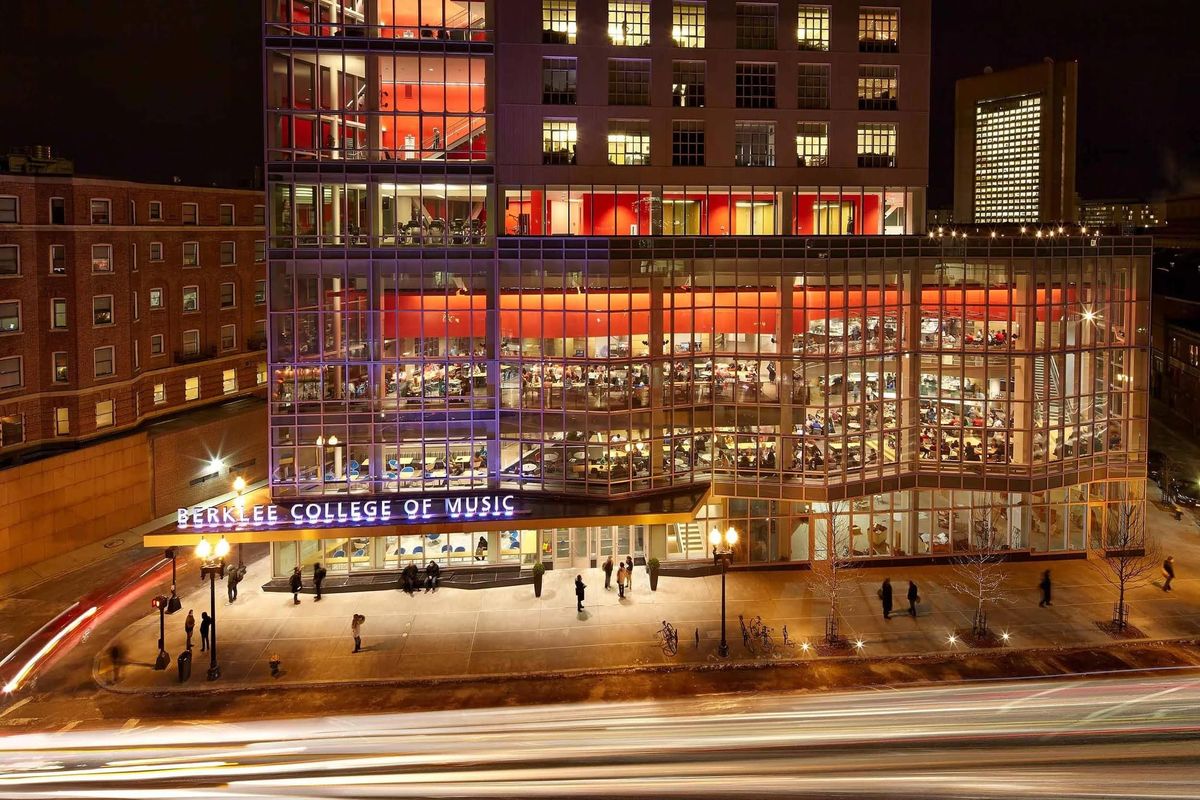
Berklee's recognition among Billboard's 2026 top music business schools highlights a broader transformation in how the industry develops its next generation of leaders.
By Tech Music Journal | October 8, 2026
The music industry has undergone a profound transformation over the past two decades. Streaming has reshaped distribution, social platforms have changed how artists reach audiences, and artificial intelligence is introducing new questions about creativity, intellectual property, economics and the future of music itself.
As the industry evolves, so too must the institutions preparing its next generation of professionals.
On October 6, Billboard published its 2026 list of Top Music Business Schools, recognizing 48 institutions worldwide, including Berklee College of Music in Boston and Berklee Valencia in Spain.
The recognition highlights more than academic excellence. It reflects the growing importance of combining musical creativity with business strategy, entrepreneurship, technology and practical industry experience.
Beyond Music Education.
Traditionally, music education has focused heavily on performance, composition, production and artistic development.
While these disciplines remain fundamental, the modern music industry increasingly requires professionals who understand the commercial infrastructure surrounding creativity.
Today's music executives and entrepreneurs must navigate a complex ecosystem of streaming platforms, record labels, publishers, distributors, live entertainment, licensing, digital marketing and emerging technologies.
Berklee's Music Business/Management program and its Bachelor of Arts in Music Industry Leadership and Innovation reflect this evolution.
The latter is particularly interesting because it offers a pathway into the music industry for students who are not necessarily musicians themselves.
The music business needs more than talented artists. It needs talented business leaders.
Learning the Business by Doing the Business.
One of the distinguishing features highlighted in Billboard's recognition is Berklee's emphasis on practical experience.
For the sixth consecutive year, the publication recognized the Berklee Popular Music Institute's BPMI Live program, which gives students opportunities to discover, develop and support emerging artists at major international music festivals.
In 2026, these experiences included artist participation at festivals in France, Germany and the Netherlands.
Such initiatives expose students to the commercial and operational realities of the live music industry, including artist development, event logistics, touring, marketing and industry relationships.
This practical approach matters.
Understanding the economics of a festival, negotiating commercial relationships or developing an artist's international career cannot be learned exclusively from textbooks.
The music industry is fundamentally built on relationships, execution and the ability to adapt.
Technology Is Becoming Central to Music Business Education.
Perhaps the most significant development is the increasing integration of technology into music business education.
Berklee Valencia's Master of Arts in Global Entertainment and Music Business was recognized for its international perspective and industry engagement.
Of particular relevance is its Technology Practicum, which examines emerging technologies, including artificial intelligence, alongside ethical, legal, cultural and labor considerations.
This reflects a broader shift taking place across the industry.
Artificial intelligence is already influencing music production, discovery, marketing and business operations. At the same time, it raises fundamental questions concerning copyright, licensing, attribution, compensation and ownership.
Future music executives will need to understand not only what these technologies can do, but also how they affect the industry's underlying business models.
Technology literacy is no longer optional for music industry leadership.
The Music Industry Is a Global Business.
Berklee Valencia's recognition also reinforces the international nature of today's music economy.
Its programs expose students to markets across Europe, Latin America, Asia and Africa, acknowledging that music consumption, artist development and commercial opportunities increasingly cross geographical boundaries.
This international perspective is particularly relevant as regional genres and independent artists reach global audiences through digital platforms.
For music professionals, understanding different markets, cultures, licensing frameworks and commercial structures is becoming an increasingly valuable competitive advantage.
A successful career in music business may involve working across several countries, languages and distribution ecosystems.
The Next Generation of Music Executives.
The recognition of Berklee and other institutions on Billboard's 2026 list raises an important question.
What skills will define the next generation of music industry leaders?
Musical knowledge and creative judgment will remain essential. However, the industry's future leadership will increasingly require a combination of commercial, technological and analytical capabilities.
Understanding intellectual property, revenue models, data analytics, artificial intelligence, digital distribution and international market dynamics will be as important as recognizing artistic talent.
The strongest institutions will be those capable of connecting these disciplines with meaningful industry experience.
Tech Music Journal's Perspective.
The significance of Billboard's recognition extends beyond the institutions themselves.
It illustrates how the music industry is gradually redefining the skills required to operate, innovate and compete.
For decades, technology has transformed how music is created, distributed and consumed. The next challenge is ensuring that the industry's business models, commercial leadership and educational institutions evolve at the same pace.
The future of music will not be determined by technology alone, nor exclusively by artistic creativity.
It will be shaped by the people who understand how creativity, technology and business work together to create sustainable economic value.
And increasingly, that journey begins in the classroom.